
Sensors
Klaschka sensors in machines and installations of industry are basic elements of automation.
- They work non-contacting and contactless, reactionless and free of wear and thus have an unlimited operating life.
- They are unsensitive against dirt collection and have a large ambient temperature range.
- The proximity switches detect final- and intermediate positions of linear- and rotatingly moved machine parts with short response times.
- Via evaluating devices fast pulse sensors are able to determine incrementally the rotating speed, stroke number and frequency as well as the position and the speed of moved machine parts.
- Distance- and position encoders supply a current which is analog to the measured variable or alternatively an analog voltage. They are inexpensive absolute-value-devices with short operating times.
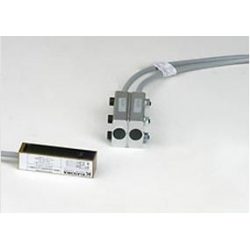
DOUBLE PULSE
DOUBLE PULSE Unlike inductive proximity switches pulse sensors are, due to their high geometrical resolving power, suitable for the detection of fine structures and motions. (Not suitable for axial approximation and non-magnetizable materials). Prefered tasks are the...
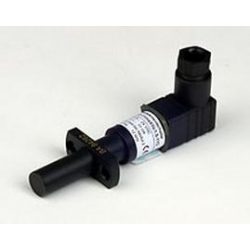
HEAT-RESISTANT
HEAT-RESISTANT Unlike inductive proximity switches pulse sensors are, due to their high geometrical resolving power, suitable for the detection of fine structures and motions. (Not suitable for axial approximation and non-magnetizable materials). Prefered tasks are...

INDUCTIVE PULSE SENSORS
INDUCTIVE PULSE SENSORS Unlike inductive proximity switches pulse sensors are, due to their high geometrical resolving power, suitable for the detection of fine structures and motions. (Not suitable for axial approximation and non-magnetizable materials). Prefered...
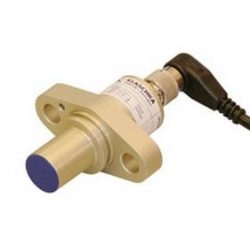
INDUCTIVE SENSORS, DOUBLE PULSE
INDUCTIVE SENSORS, DOUBLE PULSE Unlike inductive proximity switches pulse sensors are, due to their high geometrical resolving power, suitable for the detection of fine structures and motions. (Not suitable for axial approximation and non-magnetizable materials)....
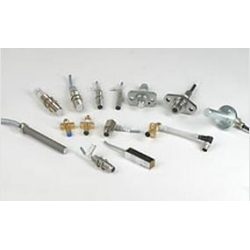
MAGNETIC FIELD
MAGNETIC FIELD Unlike inductive proximity switches pulse sensors are, due to their high geometrical resolving power, suitable for the detection of fine structures and motions. (Not suitable for axial approximation and non-magnetizable materials). Prefered tasks are...
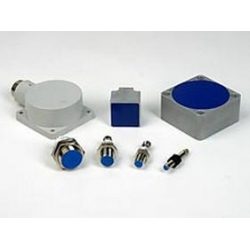
ALL METAL AUTOMOTIVE
ALL METAL AUTOMOTIVE NON-FERROUS METAL Inductive proximity switches for machines and plants are non-contact- and contactless operating sensors for the movement of drives and mechanical components, which are not subject to mechanical wear. They are mainly used as limit...
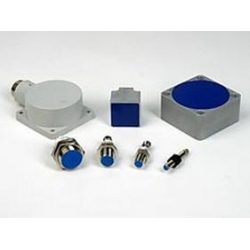
ALL METAL STANDARD
ALL METAL STANDARD NON-FERROUS METAL Inductive proximity switches for machines and plants are non-contact- and contactless operating sensors for the movement of drives and mechanical components, which are not subject to mechanical wear. They are mainly used as limit...
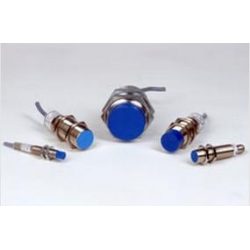
ANALOGUE SENSORS
ANALOGUE SENSORS NON-FERROUS METAL Inductive proximity switches for machines and plants are non-contact- and contactless operating sensors for the movement of drives and mechanical components, which are not subject to mechanical wear. They are mainly used as limit...
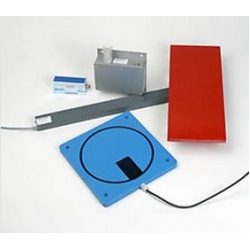
EXTENDED SURFACE
EXTENDED SURFACE NON-FERROUS METAL Inductive proximity switches for machines and plants are non-contact- and contactless operating sensors for the movement of drives and mechanical components, which are not subject to mechanical wear. They are mainly used as limit...
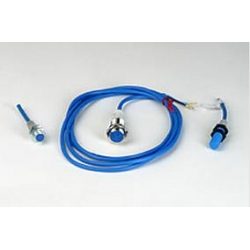
FERROUS NAMUR
FERROUS NAMUR NON-FERROUS METAL Inductive proximity switches for machines and plants are non-contact- and contactless operating sensors for the movement of drives and mechanical components, which are not subject to mechanical wear. They are mainly used as limit...